
-
Call Us
+91 965-437-5133
+91 965-475-5133
-
Email Us
ieffnepal@gmail.com
iefffestivals@gmail.com
-
VENUE
KATHMANDU
NEPAL
- Signin Group Info
NEPAL TOURISM
Welcome to Patan & Bhaktapur – The Timeless Heritage Cities of Nepal
PATAN
Located in the historic city of Patan (Lalitpur), Patan Durbar Square is one of Nepal's finest architectural treasures and a UNESCO World Heritage Site. Once the royal palace of the Malla kings, the square is renowned for its magnificent temples, beautifully carved courtyards, ancient shrines, and exquisite Newari architecture. Every corner of the square reflects centuries of artistic excellence, making Patan a city celebrated as the "City of Fine Arts." Rich in history and culture, it offers visitors a fascinating journey into Nepal's royal past and artistic heritage.
The square is home to some of Nepal's most remarkable monuments, including the iconic Krishna Mandir, built entirely of stone in the Shikhara architectural style, the elegant Patan Royal Palace, the world-renowned Patan Museum, and the beautiful Golden Temple (Hiranya Varna Mahavihar). Visitors can admire intricate wood carvings, bronze statues, stone sculptures, ancient fountains, and traditional courtyards that showcase the extraordinary craftsmanship of Newar artisans. The museum houses one of the finest collections of Nepalese religious art and historical artifacts, providing valuable insight into the country's cultural and spiritual traditions.
Beyond its magnificent monuments, Patan is a vibrant living city where ancient traditions continue to thrive. Walking through its narrow lanes, visitors will discover traditional artisan workshops producing bronze statues, wood carvings, metalwork, and handcrafted jewellery using techniques passed down through generations. Charming cafés, local markets, and beautifully preserved Newari houses create a warm and welcoming atmosphere, allowing visitors to experience both the city's rich history and its living cultural heritage. A visit to Patan is not only a journey through Nepal's artistic legacy but also an opportunity to witness a community where history, craftsmanship, and daily life continue to exist in perfect harmony.
BHAKTAPUR
Bhaktapur, often referred to as the "City of Devotees" or the "Living Heritage City," is one of Nepal's most enchanting medieval cities and a UNESCO World Heritage Site. Located about 13 kilometres east of Kathmandu, Bhaktapur has preserved its rich cultural heritage, traditional lifestyle, and remarkable architecture for centuries. Once the capital of the Malla Kingdom, the city is renowned for its beautifully preserved palaces, towering pagoda-style temples, ancient courtyards, and narrow brick-paved streets that transport visitors back in time. Every corner of Bhaktapur reflects the artistic brilliance and craftsmanship of the Newar community, making it one of the finest examples of medieval urban planning in South Asia.
The heart of the city is Bhaktapur Durbar Square, home to magnificent landmarks such as the 55 Window Palace, Golden Gate, Nyatapola Temple, and Vatsala Temple. Visitors can also explore Pottery Square, where skilled artisans continue the centuries-old tradition of pottery making, and wander through vibrant local markets filled with handmade crafts, wood carvings, traditional textiles, and authentic Newari delicacies. The city's exceptional architecture, intricate carvings, and lively cultural atmosphere make it a paradise for photographers, history enthusiasts, and lovers of art.
Beyond its historic monuments, Bhaktapur offers an immersive cultural experience where ancient traditions remain a part of everyday life. Visitors can stroll through peaceful alleyways, observe local artisans at work, taste the city's famous Juju Dhau (King Curd), and witness colourful religious festivals celebrated throughout the year. The harmonious blend of history, spirituality, art, and living traditions makes Bhaktapur one of Nepal's most treasured destinations. A visit to this remarkable city is not only a journey through centuries of history but also an opportunity to experience the authentic culture and warm hospitality that continue to define the heart and soul of the Kathmandu Valley.
ITINERARY : PATAN & BHAKTAPUR TOUR
DAY-3 : Patan & Bhaktapur
|
Monuments with Entry fee:
• Patan Durbar Square: NPR 1,000 • Bhaktapur Durbar Square: NPR 1,800
• The participant has to follow the dress code while taking entry in to some of the sacred temples. (Proper dressing with head cover).
Places to Visit in Patan & Bhaktapur with short Descriptions:
Patan
PATAN DURBAR SQUARE
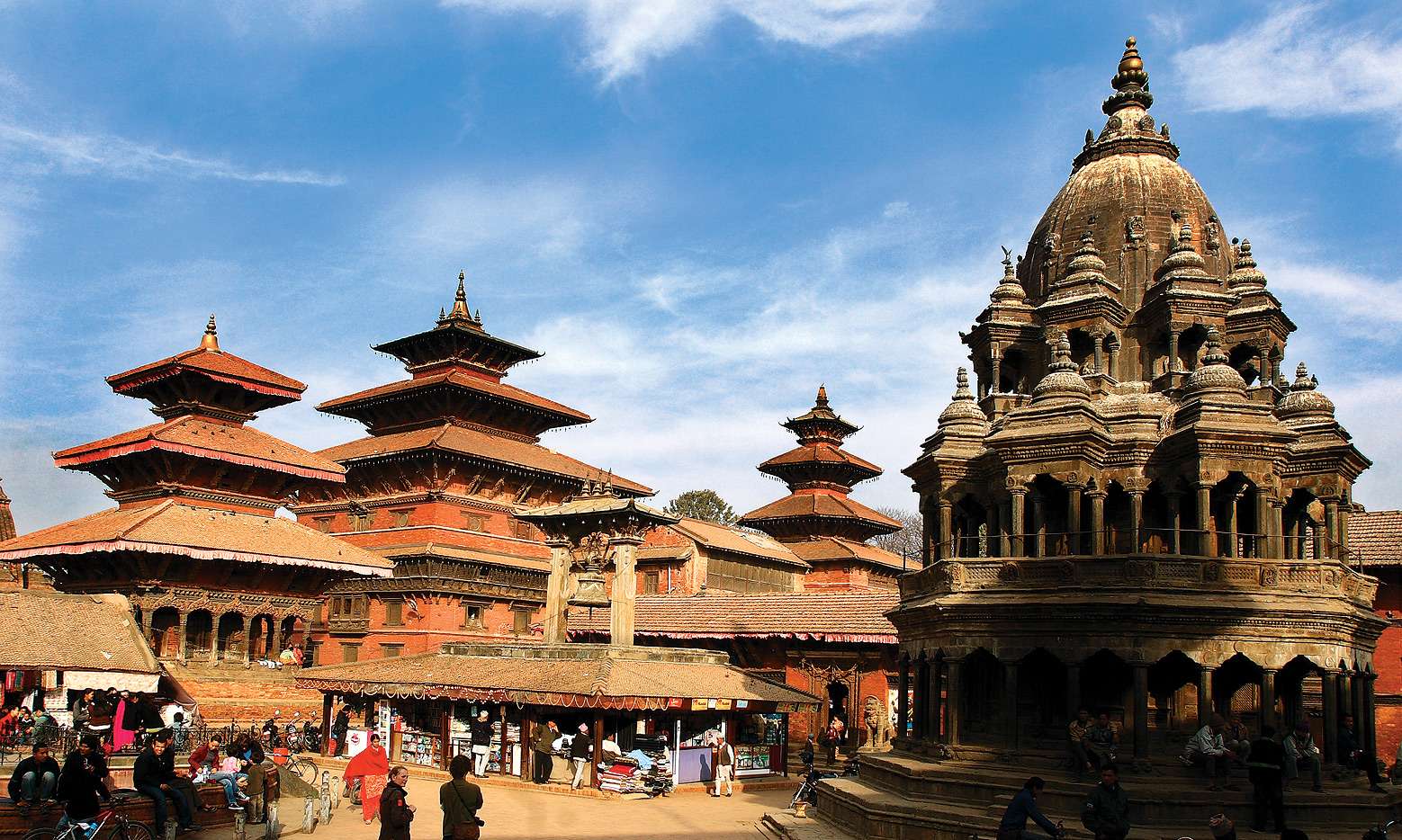
Patan Durbar Square, located in the historic city of Lalitpur, is one of Nepal's most magnificent cultural landmarks and a UNESCO World Heritage Site. Once the royal palace of the Malla kings, the square is celebrated for its remarkable Newari architecture, beautifully carved wooden windows, ancient courtyards, and intricately designed temples. Dating back several centuries, it stands as a masterpiece of Nepalese craftsmanship and offers visitors a fascinating glimpse into the country's royal history and artistic heritage.
The square is home to some of Patan's most iconic monuments, including the magnificent Krishna Mandir, one of Nepal's finest stone temples, the historic Royal Palace with its elegant courtyards, and the world-renowned Patan Museum, which houses an exceptional collection of bronze sculptures, religious artifacts, and traditional Nepalese artworks. Every temple, shrine, and courtyard reflects the extraordinary craftsmanship of the Newar artisans, whose artistic traditions have flourished in Patan for centuries.
Beyond its architectural beauty, Patan Durbar Square remains a vibrant cultural centre where history and daily life blend seamlessly. Visitors can watch local artisans creating traditional metalwork, wood carvings, and handicrafts, browse colourful souvenir shops, relax in charming cafés, and experience the warm hospitality of the Newar community. Surrounded by centuries-old temples and lively streets, Patan Durbar Square offers an unforgettable journey into Nepal's rich cultural, artistic, and spiritual heritage, making it one of the most rewarding destinations in the Kathmandu Valley.
HIRANYA VARNA MAHAVIHAR
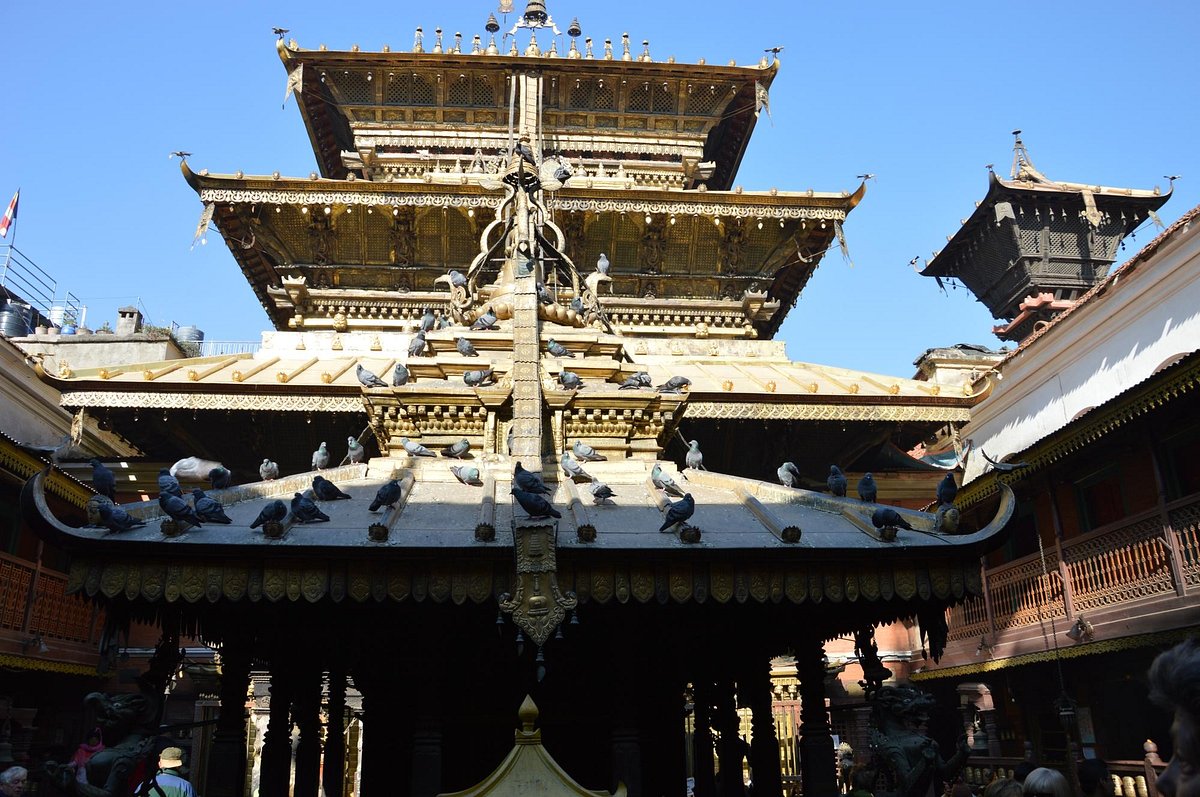
The Hiranya Varna Mahavihar, popularly known as the Golden Temple, is one of the most beautiful and sacred Buddhist monasteries in Nepal. Located in the historic city of Patan, this remarkable monastery dates back to the 12th century and is an important centre of Newar Buddhism. Dedicated to Lord Buddha, the temple is renowned for its richly decorated golden façade, intricately carved wooden windows, exquisite bronze statues, and peaceful courtyards that reflect the exceptional craftsmanship of the Newar artisans. Its serene atmosphere and remarkable architecture make it one of Patan's most treasured cultural and religious landmarks.
As visitors enter the monastery through its beautifully carved entrance, they are greeted by an elegant courtyard adorned with golden shrines, prayer wheels, ancient sculptures, and sacred Buddhist images. The temple's main shrine houses a magnificent golden statue of Lord Buddha, surrounded by intricate carvings, colourful prayer flags, and finely crafted metalwork. The peaceful environment, accompanied by the gentle sound of prayer bells and the fragrance of incense, offers visitors a unique opportunity to experience the spiritual traditions and artistic excellence that have flourished here for centuries.
Beyond its religious significance, the Golden Temple stands as a living testament to Nepal's rich cultural heritage and centuries-old artistic traditions. The monastery continues to serve as an active place of worship where monks and devotees perform daily prayers and religious ceremonies. Visitors can observe these sacred rituals, admire the extraordinary architecture, and explore the surrounding traditional Newari neighbourhood filled with artisan workshops and historic buildings. A visit to Hiranya Varna Mahavihar offers an unforgettable blend of spirituality, history, art, and culture, making it one of the highlights of any visit to Patan.
MAHABOUDDHA TEMPLE
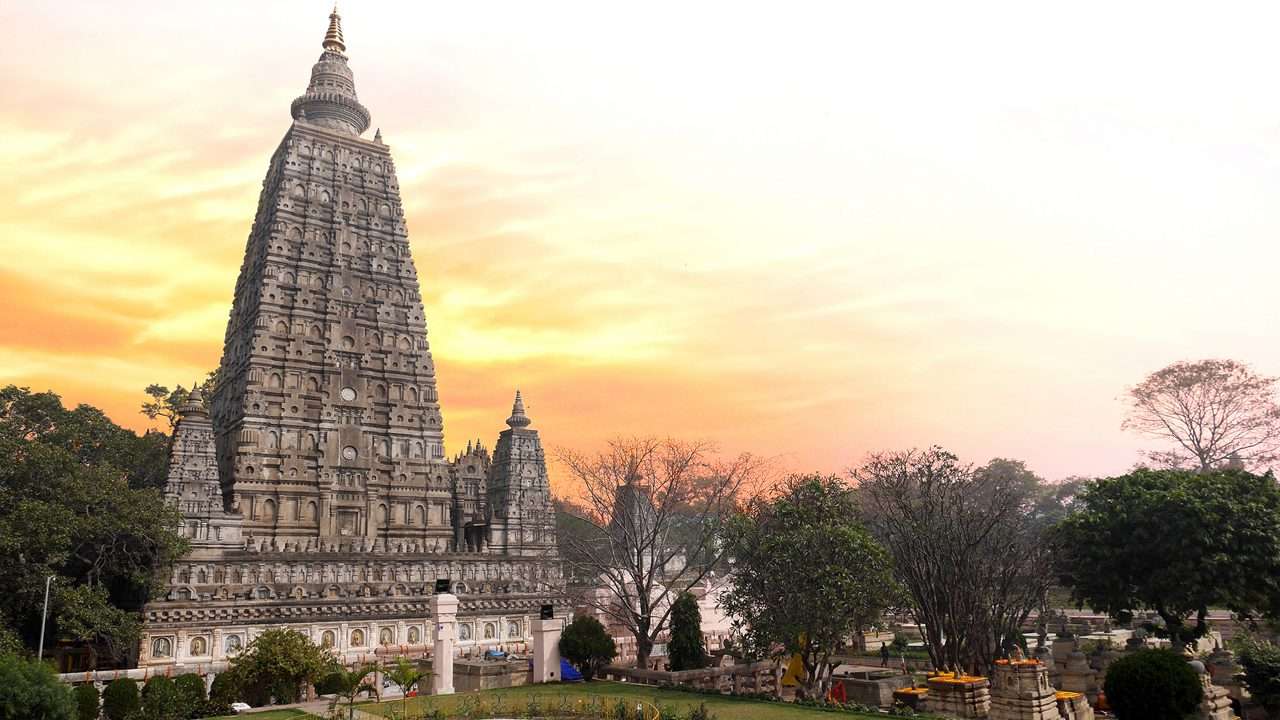
Mahabouddha Temple, often referred to as the "Temple of a Thousand Buddhas," is one of the most remarkable Buddhist monuments in the Kathmandu Valley. Located in the historic city of Patan, this unique temple was built in the 14th century and is renowned for its distinctive terracotta architecture. Inspired by the famous Mahabodhi Temple in Bodh Gaya, India, the temple is constructed entirely of specially crafted clay bricks, each intricately engraved with a small image of Lord Buddha. This extraordinary design makes Mahabouddha one of Nepal's finest examples of traditional Buddhist art and craftsmanship.
The temple's elegant multi-tiered structure is adorned with thousands of beautifully detailed Buddha images, symbolizing peace, compassion, and enlightenment. Visitors can admire the delicate carvings, intricate brickwork, and finely crafted sculptures that demonstrate the exceptional skills of Newar artisans. The peaceful courtyard surrounding the temple provides a serene atmosphere where monks, devotees, and visitors gather for prayer, meditation, and quiet reflection, making it an ideal place to experience Nepal's rich Buddhist heritage.
Beyond its architectural beauty, Mahabouddha Temple remains an active place of worship and an important spiritual centre for the local Buddhist community. The temple hosts religious ceremonies, prayer rituals, and festivals throughout the year, preserving traditions that have been practiced for centuries. Surrounded by the charming streets of Patan, traditional Newari houses, and artisan workshops, a visit to Mahabouddha Temple offers a unique opportunity to appreciate Nepal's living culture, spiritual traditions, and remarkable artistic legacy in a peaceful and inspiring setting.
TRADITIONAL ARTISANS WORKSHOPS
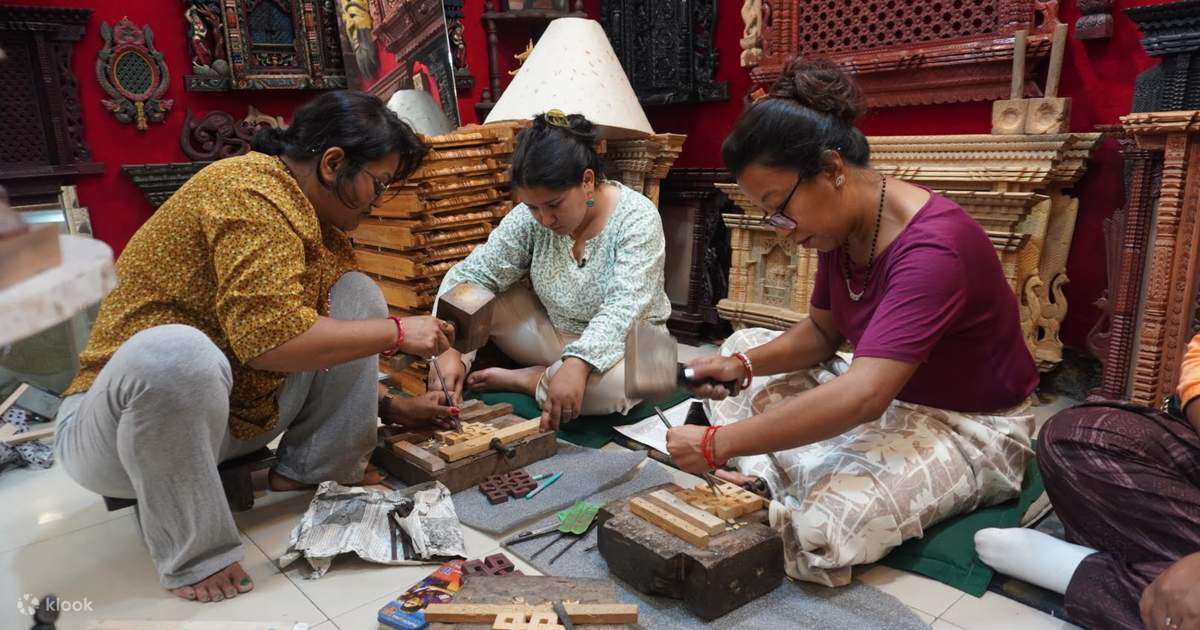
Patan is renowned as the artistic capital of Nepal, where traditional craftsmanship has flourished for centuries. The narrow streets surrounding Patan Durbar Square are home to numerous artisan workshops where skilled craftsmen continue to create bronze statues, wood carvings, metal sculptures, traditional jewellery, and religious artifacts using techniques passed down through generations. These workshops preserve the rich artistic heritage of the Newar community and showcase Nepal's exceptional craftsmanship.
Visitors can observe artisans carefully crafting intricate works of art using traditional hand tools and centuries-old methods. Watching the process of bronze casting, wood carving, and metal engraving offers a fascinating insight into the dedication, precision, and creativity that have made Patan famous for its fine craftsmanship throughout the world.
Many workshops also feature galleries where visitors can purchase authentic handmade souvenirs, religious statues, paintings, jewellery, and decorative items. Exploring these artisan workshops provides a unique opportunity to experience Nepal's living artistic traditions while supporting local craftsmen and taking home beautifully handcrafted pieces of Nepalese heritage.
NYATAPOLA TEMPLE
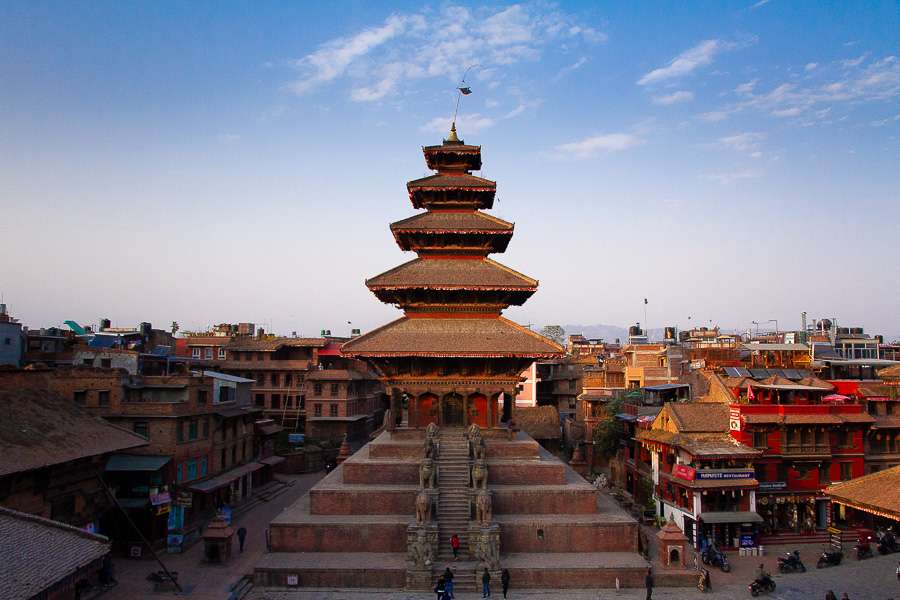
Nyatapola Temple is the tallest and one of the most iconic pagoda-style temples in Nepal, standing approximately 30 metres (98 feet) high. Constructed in 1702 during the reign of King Bhupatindra Malla, the five-tiered temple is dedicated to the goddess Siddhi Lakshmi, the Tantric goddess of prosperity and power. Renowned for its remarkable symmetry and engineering, the temple has withstood several major earthquakes over the centuries, making it a symbol of Nepal's architectural brilliance and resilience.
The temple is approached by a grand staircase guarded by a series of impressive stone statues representing mythical guardians, including wrestlers, elephants, lions, griffins, and goddesses. According to local belief, each pair of guardians possesses ten times the strength of the one below it, symbolizing the immense power of the deity enshrined within the temple. Its beautifully carved wooden struts, brickwork, and traditional pagoda architecture make Nyatapola one of the finest masterpieces of Newari craftsmanship.
ocated in the lively Taumadhi Square, just a short walk from Bhaktapur Durbar Square, Nyatapola Temple is surrounded by traditional houses, local cafés, artisan shops, and bustling markets. Visitors can admire the temple's magnificent architecture, enjoy panoramic views of the historic square from its upper steps, and experience the vibrant atmosphere of one of Bhaktapur's most cherished cultural landmarks. It remains one of Nepal's most photographed monuments and an essential highlight of any visit to Bhaktapur.
POTTERY SQUARE
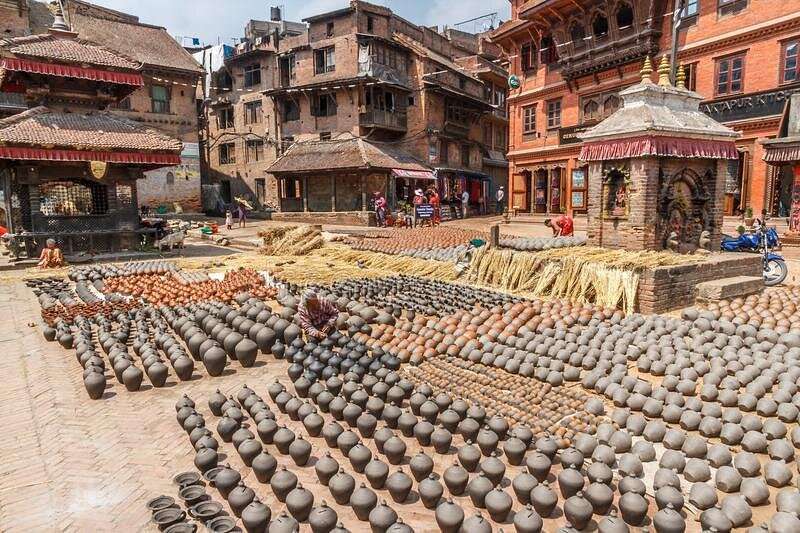
Pottery Square is one of Bhaktapur's most fascinating cultural attractions, offering visitors a unique opportunity to witness one of Nepal's oldest living crafts. For centuries, this historic square has been the centre of traditional pottery making, where skilled Newar artisans continue to produce beautiful clay pots, vases, lamps, and household items using techniques passed down through generations. The open square is filled with rows of freshly shaped pottery drying naturally under the sun, creating a distinctive and colourful scene that reflects Bhaktapur's rich artistic heritage.
Visitors can watch master potters expertly shape clay on traditional spinning wheels, transform raw clay into elegant works of art, and carefully prepare each piece for firing in brick kilns. Many workshops welcome visitors to observe the entire pottery-making process, from kneading the clay to the final finishing touches. Some artisans even offer hands-on pottery sessions, allowing visitors to try creating their own clay masterpiece under expert guidance, making the experience both educational and enjoyable.
Surrounded by traditional brick houses, small cafés, handicraft shops, and friendly local artisans, Pottery Square provides an authentic glimpse into the everyday life of Bhaktapur. It is an excellent place to purchase handcrafted pottery and locally made souvenirs while supporting the city's traditional craftsmen. The vibrant atmosphere, centuries-old craftsmanship, and cultural significance make Pottery Square one of the most memorable stops on any visit to Bhaktapur.
DATTATREYA SQUARE
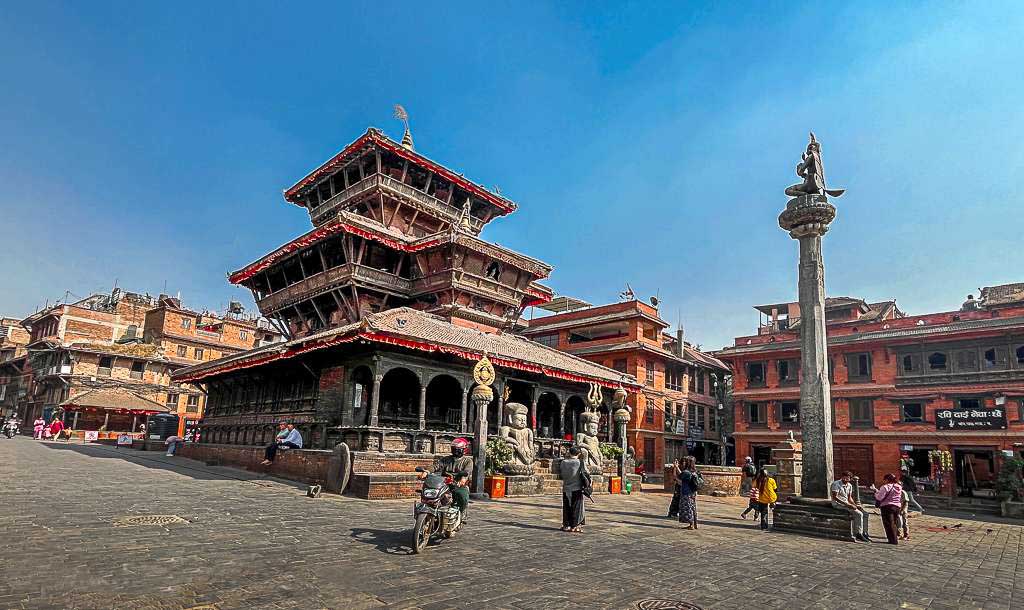
Dattatreya Square is one of the oldest and most historically significant squares in Bhaktapur, offering visitors a glimpse into the city's rich medieval heritage. Named after the Dattatreya Temple, which is dedicated to the Hindu deity Dattatreya—a combined manifestation of Brahma, Vishnu, and Shiva—the square is believed to date back to the 15th century. According to local legend, the temple was constructed from the timber of a single tree, making it one of Nepal's most fascinating architectural landmarks.
The square is renowned for its beautifully preserved Newari architecture, intricately carved wooden windows, traditional monasteries, and historic buildings that showcase the exceptional craftsmanship of the Malla period. One of its most famous attractions is the Peacock Window, widely regarded as one of the finest examples of wood carving in Nepal. Visitors can also explore nearby artisan workshops, woodcarving museums, and small temples, where centuries-old artistic traditions continue to flourish.
Unlike the busier Durbar Square, Dattatreya Square offers a peaceful and authentic atmosphere where visitors can leisurely stroll through narrow stone-paved streets, interact with local artisans, and experience the everyday life of the Newar community. The combination of ancient temples, exquisite craftsmanship, traditional houses, and cultural heritage makes Dattatreya Square one of Bhaktapur's most rewarding destinations for history enthusiasts, photographers, and anyone wishing to experience the timeless charm of Nepal's medieval past.
TRADITIONAL NEWARI STREETS & LOCAL MARKETS
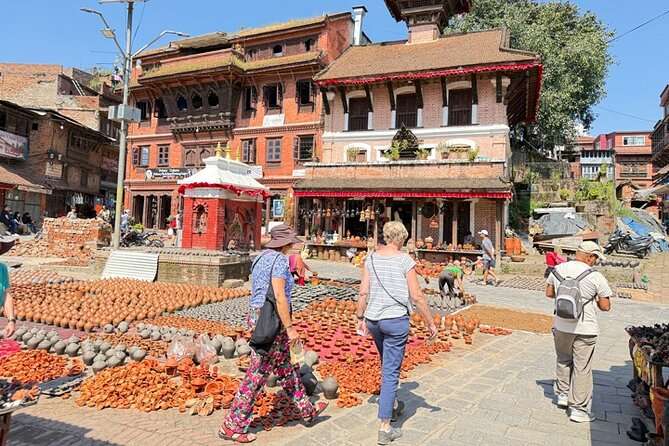
Strolling through Bhaktapur's traditional Newari streets is like stepping back in time. The narrow brick-paved alleys are lined with beautifully preserved centuries-old houses, intricately carved wooden windows, ancient courtyards, and small temples that reflect the city's rich architectural and cultural heritage.
The lively local markets are filled with artisan workshops, handicraft stores, pottery, wood carvings, metal sculptures, handmade textiles, and traditional souvenirs. Visitors can watch skilled craftsmen at work using techniques that have been passed down through generations, offering an authentic glimpse into Newari craftsmanship.
A walk through these charming streets also provides an opportunity to experience the daily life of the local community, sample authentic Newari delicacies such as the famous Juju Dhau (King Curd), and enjoy the warm hospitality that makes Bhaktapur one of Nepal's most vibrant and culturally rich heritage cities.